Songwriting Courses UK: How to Choose a Course for Lyrics, Melody and Feedback
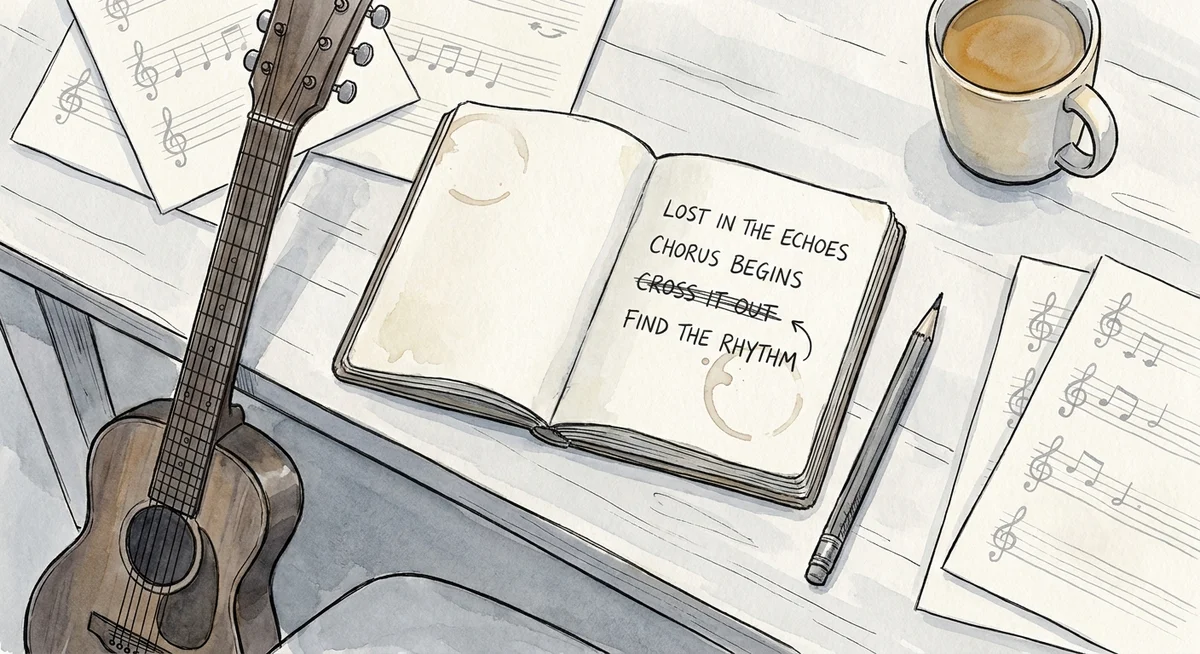
Whether you write poems and want to try lyrics, play guitar and keep getting stuck on verse two, or just have melodies knocking around your head that never become finished songs, a songwriting course can give you structure and feedback. But options range from three-year degrees to single-song critique services, so knowing where to start isn't always obvious.
This guide is for anyone in the UK looking at songwriting courses and wondering what fits their experience, budget and goals. We'll cover the main types of provision, how feedback works, whether you actually need music theory, and the practical questions worth asking before you enrol.
What types of songwriting courses are available in the UK?
The landscape is broader than you might expect.
Degree programmes
Institutions like ICMP offer full BA (Hons) Songwriting degrees, typically three years and campus-based. These are industry-aligned: you build a professional portfolio through weekly tutor and peer feedback, collaborative writing sessions, and modules on things like marketing and A&R. Fees are usually eligible for student loans, and graduates tend to come away with a substantial portfolio and at least one professional-standard project.
A degree makes most sense if you want to pursue songwriting as a career and you're ready for full-time immersion. It's a big investment of time and money, so be honest about whether that level of structure is what you need right now.
Short specialist courses
Providers like Point Blank Music School run workshop-based short courses, often scheduled for evenings. These tend to have small class sizes, hands-on studio access and focused modules on melody, song structure and production. A short course might last a few weeks to a couple of months, and you can typically expect to finish with one to five demos or completed songs.
They suit writers who want focused skill-building without a long commitment. They're also a decent way to test whether something more intensive might be right for you later.
Community and continuing education
Organisations like City Lit offer affordable short-term courses, sometimes as few as 11 sessions, aimed at beginners or hobbyists. Prices can start from around £229. The emphasis is usually on practical exercises, and the atmosphere tends to be supportive and low-pressure. Some courses expect basic knowledge of harmony, but many are designed for people starting from scratch.
Online membership communities
The Songwriting Academy, for example, offers subscription-based access to video libraries, live weekly feedback sessions and peer playback. You get ongoing support at a lower cost than most structured courses, and you can dip in and out as your schedule allows. This works well if you want regular accountability and community without fixed-term classes.
Paid feedback services
If you have a song (or several) and just want expert ears on it, services like Song Academy offer professional single-song reports for around £65 plus VAT. These typically analyse lyrics, melody and structure, and some include optional one-to-one follow-up. Not a course as such, but a very efficient way to get targeted feedback on specific work.
Mentoring and retreats
Moniack Mhor and The Ivors Academy offer bespoke mentoring and residential options. Mentoring sessions can cost around £105 per hour; retreats vary by duration and location. The focus is on co-writing, personal development plans and industry guidance. These suit writers who already have a body of work and want tailored, one-to-one support.
Who are these courses for?
Songwriting courses attract a wide mix of people, and most providers are used to that. You might be a poet curious about writing for music, a bedroom producer who wants stronger lyrics, or someone who's been writing songs for years but never had outside feedback.
Beginners
Look for low-cost, short courses that teach basic structure and melody in a supportive setting. Small class sizes matter here. You want enough space to ask questions and share work without feeling exposed. Tutors who explain fundamentals clearly, without assuming prior knowledge, make a real difference.
Developing songwriters
You'll likely benefit from more structured feedback cycles, studio time, and modules on the business side: publishing, pitching, sync licensing. Specialist short courses and degree programmes tend to offer this. If you already have a handful of songs, mentoring or a paid feedback service can help you spot patterns in your writing and push past specific sticking points.
Prose writers moving into songwriting
You already have strong instincts for language, character and narrative. What you may need is help with compression (saying more in fewer words) and fitting words to rhythm and melody. A course that pairs lyric workshops with some basic musicality, even if you don't play an instrument, can bridge that gap. Don't be put off if a course description mentions music theory. Many cover it gently and practically rather than expecting you to read notation.
How does feedback work?
Feedback is arguably the most valuable thing a course can offer. Writing songs in isolation, you can go round in circles for years. A good feedback loop helps you hear your own work more clearly.
The main formats you'll encounter: written reports with detailed notes on lyrics, melody, structure and production, common with paid services and some online courses. In-class workshops where you share a song (live or recorded) and get verbal feedback from the tutor and peers. A&R-style critiques that simulate industry assessment, useful if you're aiming for commercial placement. And one-to-one sessions where a tutor works through your song with you in detail, often over video call or in person.
The best feedback is specific, actionable and matched to your goals. A course geared toward radio-ready pop will critique differently from one focused on folk or singer-songwriter material. Check that the feedback style fits the kind of writing you want to do.
If you're weighing up how feedback works across different types of writing courses more broadly, our guide on online writing courses with tutor feedback covers what to look for and what you're actually paying for.
Do you need music theory?
This is one of the most common worries. The honest answer: it depends on the course, but probably less than you think.
Many short courses and community classes don't require formal theory knowledge. Some expect basic familiarity with chords or harmony, enough to strum along or pick out a melody, but they'll often teach what you need as you go. Degree programmes and specialist courses tend to include theory as part of the curriculum, treating it as a practical tool rather than an academic hurdle. If you can hum a tune and tap a rhythm, you have more musical knowledge than you might give yourself credit for.
That said, if a course listing mentions prerequisites like "working knowledge of harmony" or "ability to play an instrument to a basic level," take those seriously. Contact the provider and ask what they mean. There's no shame in choosing a more introductory course first.
What should you come away with?
It's reasonable to ask what tangible outcomes a course offers. A degree programme typically produces a full portfolio of original songs, often with professional-quality recordings, plus industry contacts and collaborative experience. Short courses yield one to five finished demos depending on length and intensity. Mentoring gives you a development plan and refined versions of existing work, sometimes with introductions to industry contacts. Paid feedback delivers a detailed report on a specific song with clear suggestions for revision. Online communities help you build an evolving body of work through regular feedback, though the pace is largely self-directed.
If building a portfolio or demo matters to you, ask the provider directly: will you have finished recordings by the end? Will there be studio access or production support? Some courses focus on craft and leave recording to you, which is fine if that's what you expect.
How to judge whether a tutor is right for you
Tutor fit matters more than most course descriptions let on. A brilliant songwriter is not necessarily a brilliant teacher. Some things to consider:
Have they written professionally, and do they have experience in your genre? Published credits are a good sign, but teaching experience and communication skills matter just as much. Think about teaching style too. Some tutors are nurturing and developmental; others are blunt and industry-focused. Neither is wrong, but one will suit you better. If you can, attend a taster session or watch a sample class. On short courses especially, check whether the tutor is available outside class for follow-up questions. And look at reviews from students at a similar level to you. A tutor who's brilliant with advanced writers may not be the best fit for a beginner.
Questions to ask before you enrol
Before committing, get clear answers on the practical details:
- What level is the course aimed at? Make sure it matches where you are now, not where you hope to be.
- How is feedback delivered, and how often? Weekly tutor feedback is very different from a single end-of-course critique.
- Is music theory taught or assumed? If there are prerequisites, ask exactly what's expected.
- What will you have at the end? Finished songs, demos, a portfolio, or mainly skills and experience?
- What are the class sizes? Smaller groups generally mean more individual attention.
- Who is the tutor? Look for a blend of professional and teaching experience.
- What's the schedule? Evenings, weekends, intensive blocks. Make sure it fits your life.
- Is there studio access or recording support?
- Are there additional costs? Software, equipment, materials or submission fees can add up.
- Is there a refund or cancellation policy?
If you want a broader framework for evaluating writing courses, our guide on how to choose the right course may help.
Funding and bursaries
Songwriting courses can be a meaningful expense, so it's worth knowing what support exists. The PRS Foundation is the UK's leading funder of new music and songwriting, having awarded over £50 million since 2000. They offer grants for individuals and organisations. Help Musicians and The Ivors Academy Trust also provide bursaries and mentored placements, sometimes specifically for emerging or underrepresented writers.
For degree programmes, student loans are usually available. For shorter courses, some providers offer payment plans or early-booking discounts. It's always worth asking. Many organisations have funding they don't heavily advertise.
Final thoughts
Choosing a songwriting course is partly about practicalities (cost, schedule, location) and partly about finding somewhere you feel comfortable sharing work that's personal.
If you're still deciding between online and in-person formats, our guide to choosing online creative writing courses covers many of the same considerations.
Start with what you need right now. A single feedback report on a song you've been sitting on, a ten-week evening class to learn the basics, or a full degree to launch a career. You can always build from there.